Polices


Quality education, innovation, diversity, character development, global perspective, community-driven, excellence.

Quality education, innovation, diversity,
character development, global perspective, community-driven, excellence.

Quality education, innovation, diversity, character development, global perspective, community-driven, excellence.


Discover Al Faris : From early years through high school, our tailored pathways nurture individual potential while fostering lifelong learning, leadership, and character. Join our community in paving the path to excellence.
he Little Knights Pre-Kindergarten and Kindergarten program is a child-centered, developmentally appropriate, integrated program of learning for children 3-5 years old. The purpose of the program is to establish a strong foundation for learning in the early years, and to do so in a safe and caring, play-based environment that promotes the physical, social, emotional, and cognitive development of all children. Our learning activities provide children with opportunities for free exploration, cater for children’s development and interests, make use of sensory stimulation and real-life themes, and create a friendly and respectful atmosphere.


The program is designed for children aged 3-5 years, providing a child-centered, play-based environment that promotes holistic development.
The primary language of instruction is English, preparing students for PYP Years 1-5. Arabic is taught as the mother tongue, and French is introduced as a supplementary language.
It boosts cognitive skills, creativity, positive attitudes towards cultures, and later language learning.
PYP, for ages 3-12, offers an engaging transdisciplinary curriculum. It focuses on inquiry-based learning, holistic child development, and effective assessment practices.
The PYP aims to develop an engaging, relevant, and challenging curriculum for learners aged 3 to 12, fostering holistic growth.
The PYP is structured into three components: the written curriculum (what students will learn), the taught curriculum (how educators teach), and the assessed curriculum (principles and practices of effective assessment).
The PYP framework prioritizes the holistic development of the child as an inquirer, both within and beyond the school environment, emphasizing inquiry-based learning.
PYP Handbook : Click here to download the PDF
 Learn more
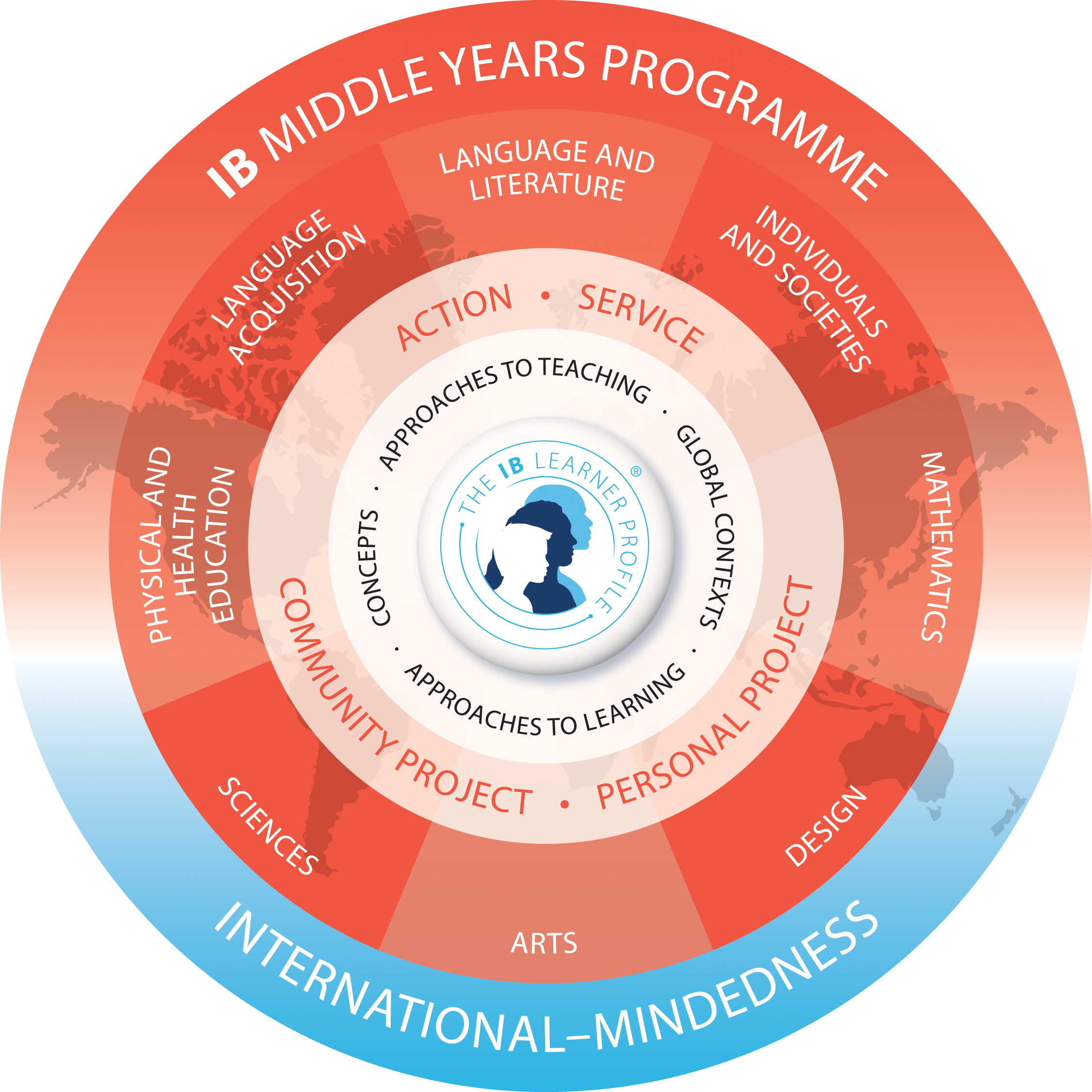
The MYP aims to help students develop their personal understanding, their emerging sense of self and responsibility in their community. MYP teachers organize the curriculum with appropriate attention to:
The MYPprogramme consists of both internal and external assessments, both of which areconsistent around the world. Internal assessments consist of both formative and summative assessments. Formative assessments take place throughout the unit in order to monitor student progress, whereas summative assessments are done at the end of a unit. MYP internal assessments – whether formative or summative – include a wide variety of strategies, tools, and tasks that include open-ended, problem-solving activities and investigations, organized debates, tests and examinations, hands-on experimentation, analysis, and reflection.
are consistent
Assessment in the MYP is criterion-related (A, B, C, D), whereby each subject group in the MYP has a set of four criteria.
Interdisciplinary teaching and learning is an integral components of the MYP. It builds a connected curriculum that addresses the developmental needs of students and prepares them for further academic study and life in an increasingly interconnected world. The MYP uses concepts and contexts as starting points for meaningful integration and transfer of knowledge across the eight subject groups.
Interdisciplinary learning can take place between different subject groups and between different disciplines within a subject group to encourage broader perspectives on complex issues and deeper levels of analysis and synthesis. Interdisciplinary connections must be meaningful.
In the MYP, interdisciplinary learning is the process by which students come to understand bodies of knowledge and modes of thinking from two or more disciplines and then integrate them to create a new understanding. Students demonstrate this by bringing together concepts, methods, or forms of communication to explain a phenomenon, solve a problem, create a product or raise a new question in ways that would have been unlikely through a single discipline.
For students seeking a formalqualification at the end of the programme, the IB offers eAssessments in Year 5that lead to IB MYP course results and the IB MYP Certificate.
At FIS, students will have theoption to either obtain IB MYP course results or the IB MYP Certificate. Inorder to achieve these qualifications, students must complete eAssessments,which consist of the following three strategies:
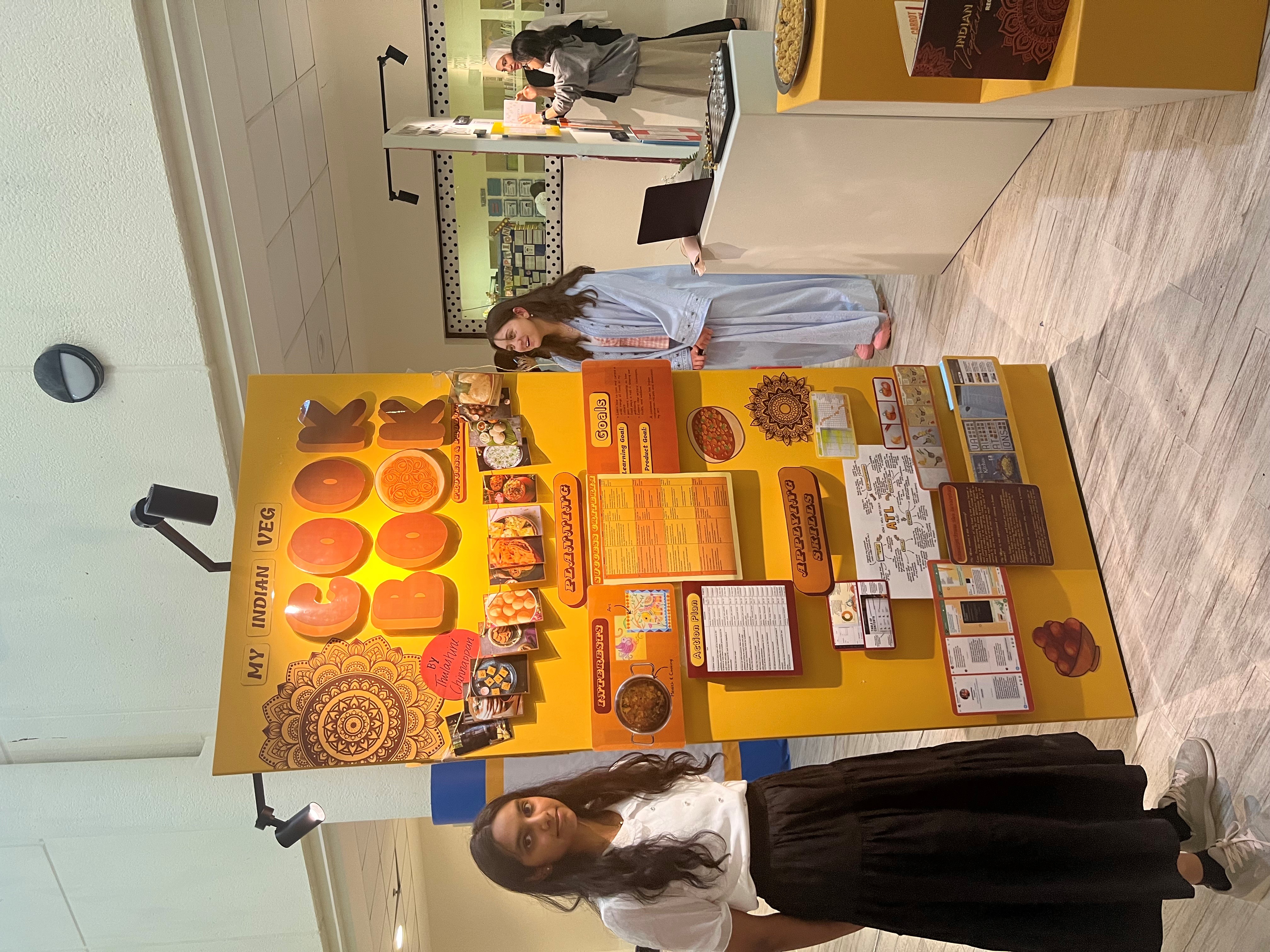
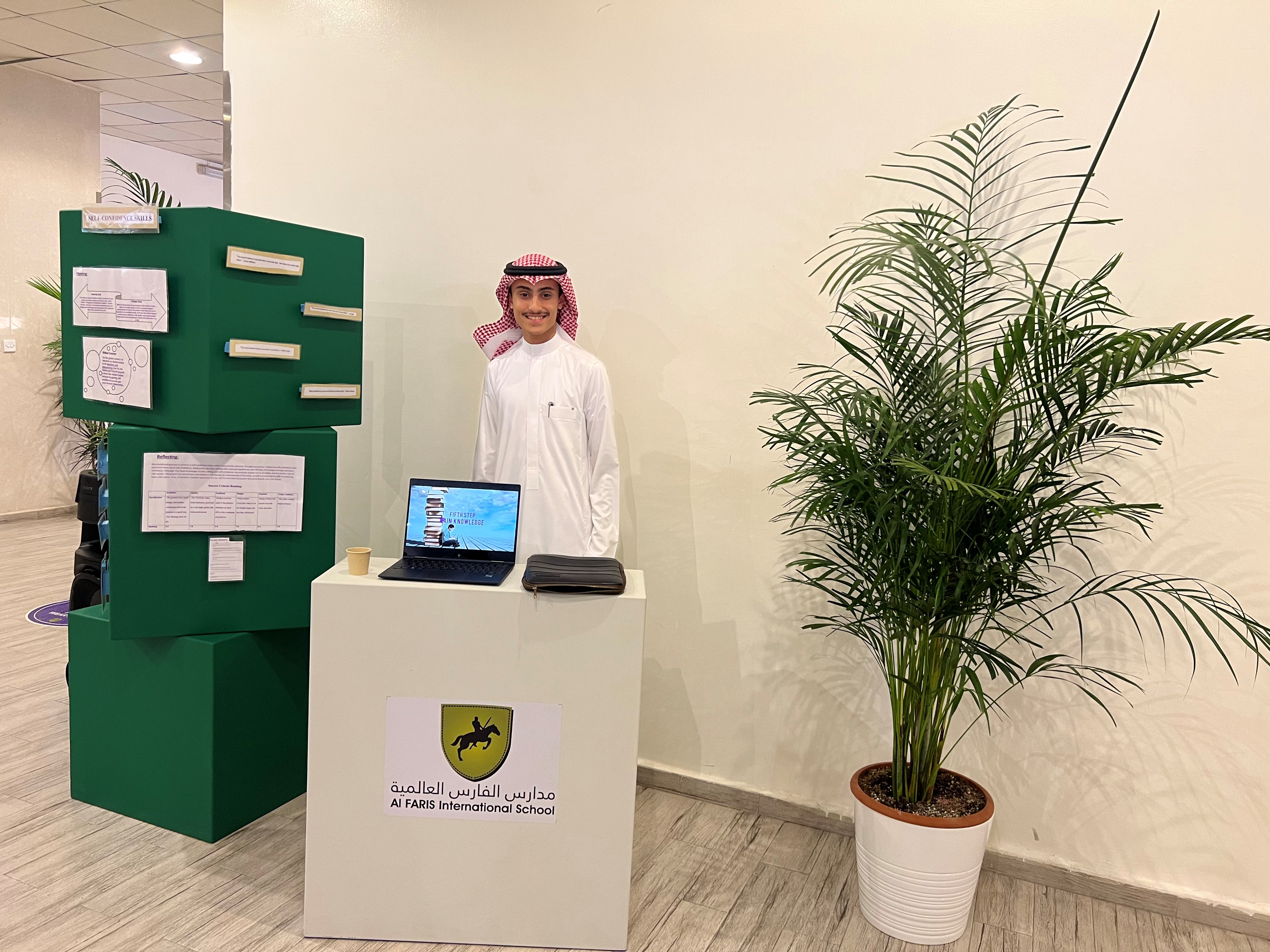
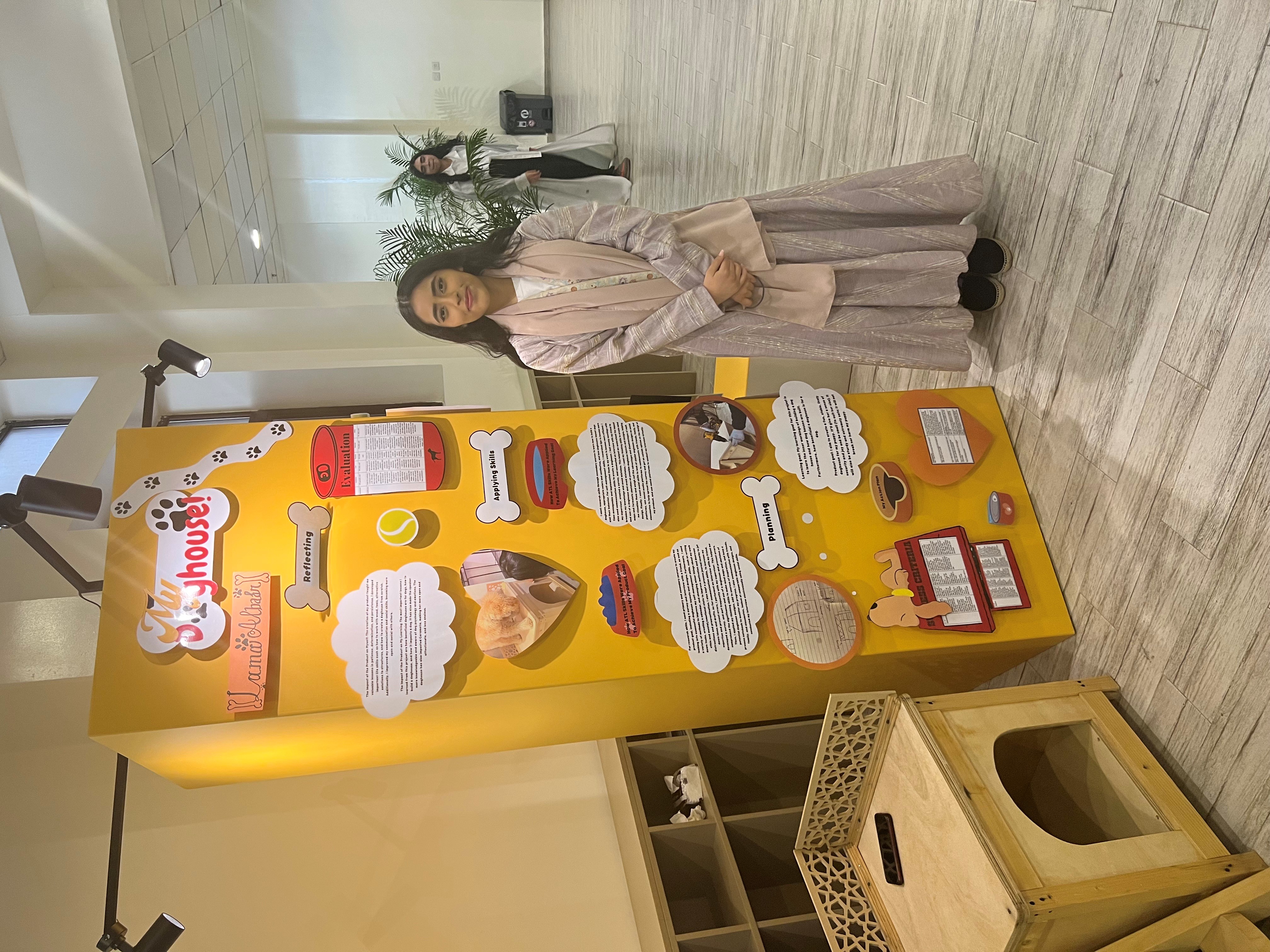
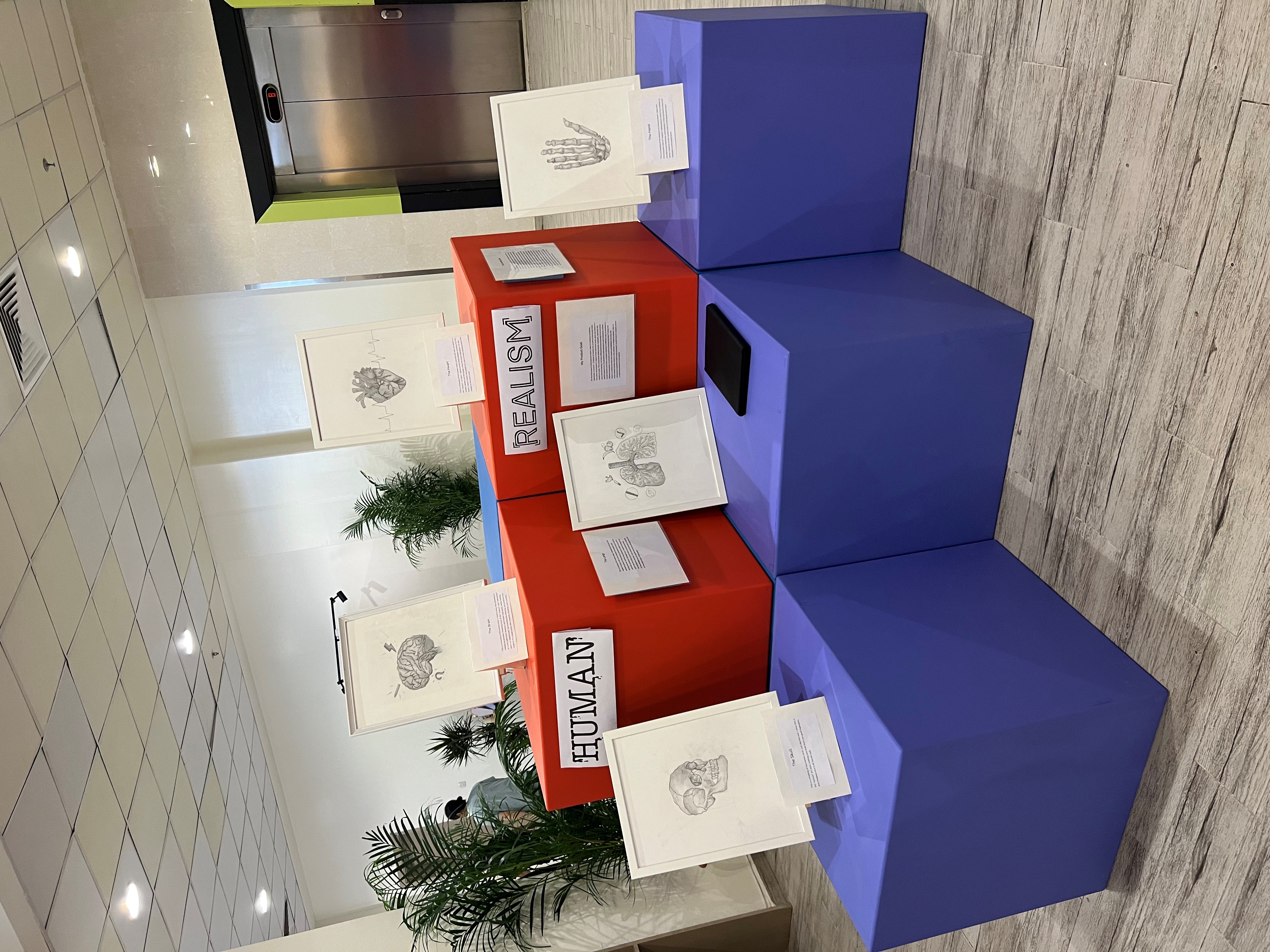
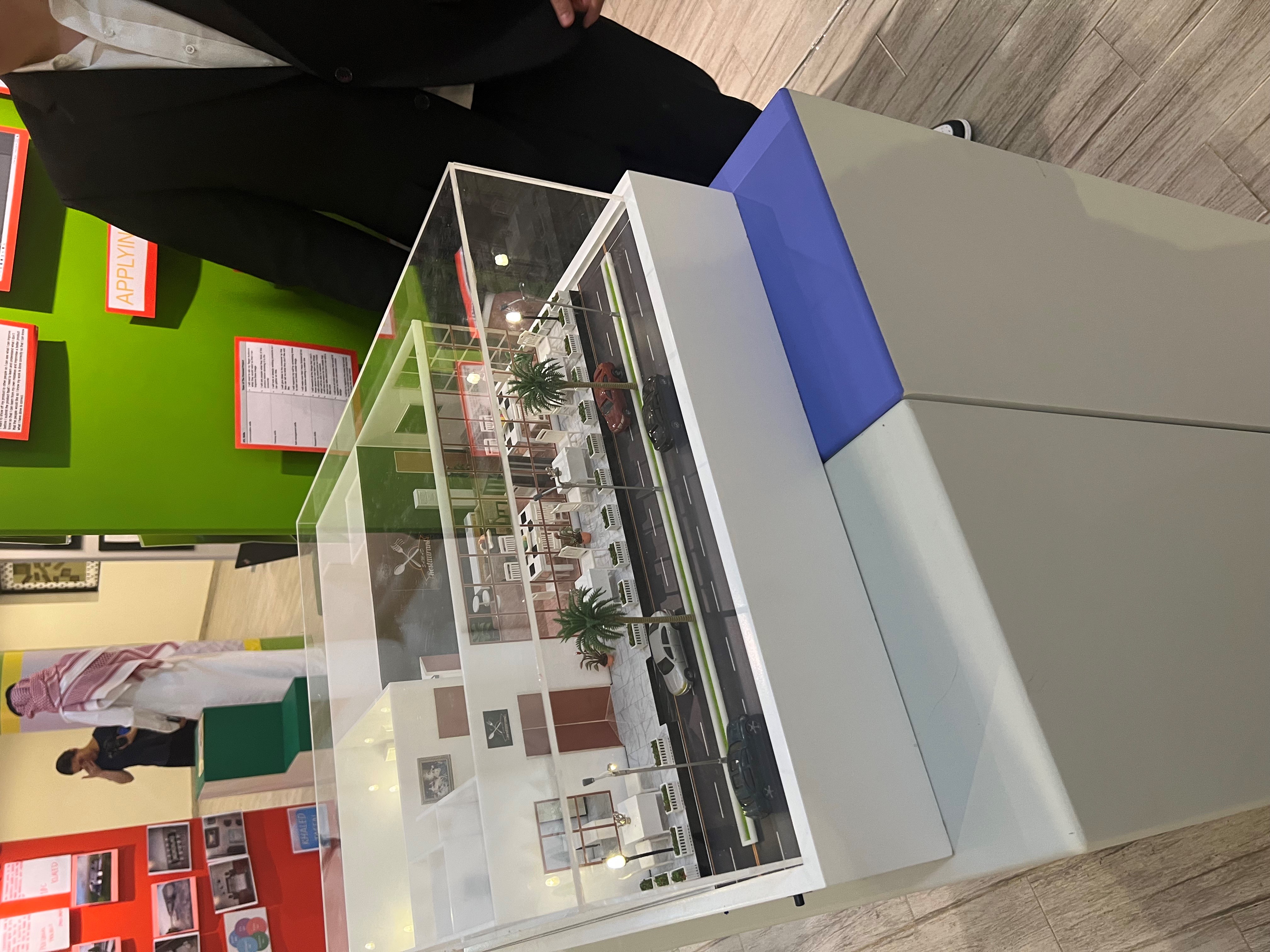
\Our students showcase their Personal Projects in our annual Personal Project Exhibition that usually takes place in Term 2. Some of our Personal Project topics are as follows:
MYP Handbook :
Click here to download the PDF
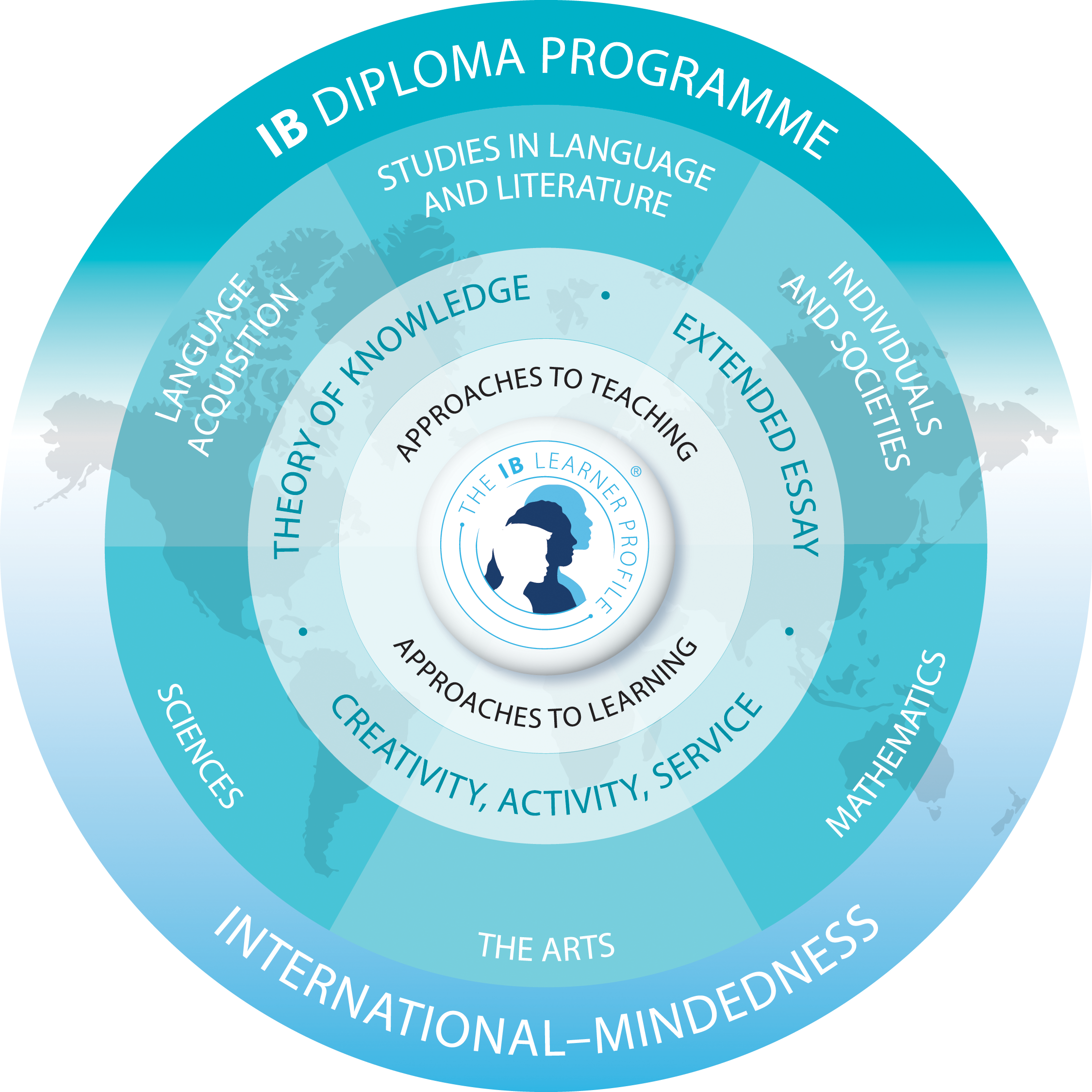
As can be seen in the DP model on p. 6, the Diploma Programme consists of six subject groups:
The core subjects are also a requirement for the full diploma. They are, however, individually recognized as stand-alone offerings, whereby course certificate candidates (i.e., students taking selected IB courses and will receive a certificate for these selected courses only) may select at least one of the core subjects during their two-year IBDP programme. A brief description of the core subjects are as follows:
To be a successful IB Diploma student, it is necessary to be well organized and punctual. It is essential for students to manage their time appropriately and prioritize tasks efficiently. The importance of adhering to internal deadlines is paramount
Six required.
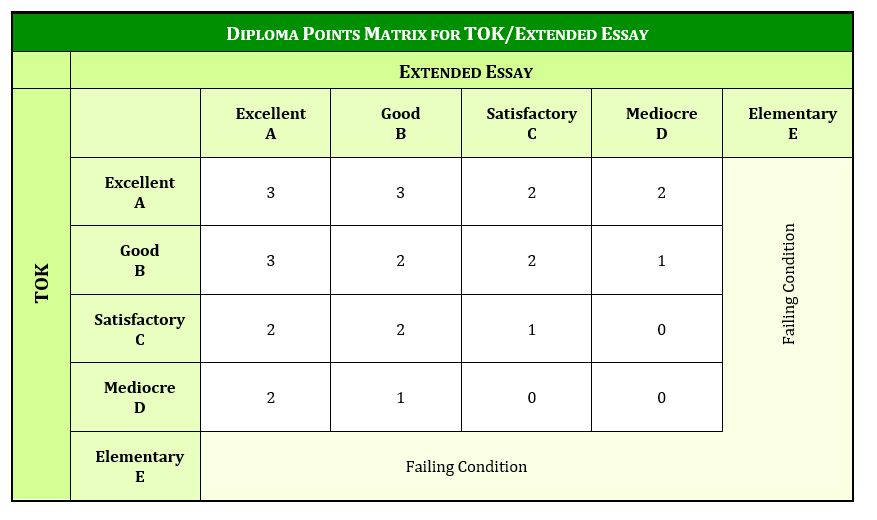
There is a maximum of 7 points available for each of the sixrequired courses. In addition, there are 3 points available for the combination of TOK and the Extended Essay. Therefore, the maximum number of points available is 45.
In general, in order to receive the IB Diploma, a student must score at least a 4 in each subject, or a minimum total of 24 points. Earning a score of 24 points, however, does not always guarantee the awarding of an IB Diploma. The full criteria for earning the IB Diploma are enumerated below.
The IB Diploma will be awarded to a candidate whose total score is 24 or greater points, provided all of the following requirements have been met:
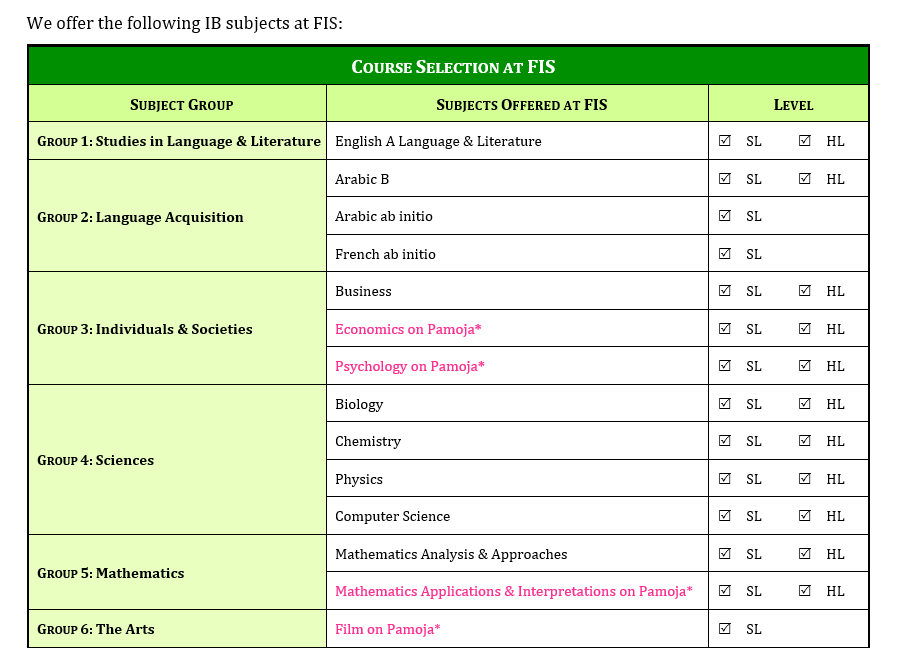
Students wishing to pursue the IB Diploma must take one class from each of Groups 1 – 5, as well as a sixth class either from Group 6 or a second class from Groups 3and 4. The courses must be taken at the following levels:
IBDP Handbook : Click here to download the PDF
Students entering Grades 11-12 atFIS have the option for the IB Diploma course or the American Diploma (SAT)course. The American Diploma is arigorous high school curriculum designed to prepare students for the SATReasoning Test administered by the College Board and used as a standard ofuniversity admission worldwide, especially for those seeking higher educationin the United States. At the end of thecourse, students are granted the equivalency of an American high schooldiploma. Our American Diploma course iscurrently certified by Cognia (formerly AdvancEd).
Our curriculum is based on the US Common Core andincludes the following mandatory subjects: English Language and Literature;Mathematics (trigonometry, pre-calculus, calculus); World History; Sciences(physics, chemistry, and biology as separate courses); Arabic Language, Art,Design and Technology; Computer
Yes, Al Faris International School is a certified SATtesting center; however, students must register for the exam through theCollege Board website.
FIS does not currently offer ACT or AP courses, norare we an AP or ACT testing center. Ourstudents who require ACT/AP courses should complete them individually online orthrough a local center.

At Alfaris International School, education is an immersive journey. Our dedicated educators foster curiosity, critical thinking, and global understanding. We empower students to excel academically, develop character, and embrace diverse perspectives for a bright future.
Unlock boundless potential through our immersive educational experience, fostering intellect, creativity, and character in every student.
Our campus proudly represents 20 nationalities, fostering a tapestry of cultures and viewpoints. This multicultural environment enriches education, nurtures global awareness, and promotes unity among students.
With a remarkable 90% university attendance rate, our school empowers students for successful futures. Our education equips graduates with the skills, knowledge, and confidence to excel in higher education and beyond.


To begin our admissions process, please provide some basic information about your student(s) with our inquiry form at the top of our admissions page. You will then be put in touch with our Admissions Coordinator to schedule an entrance assessment.
During enrollment, you will need to provide various documents, including birth certificates, previous school records, health records, and passport-sized photos. A detailed list is available on our Admissions page.
Yes, assessments or interviews may be part of our admission process. These help us understand your child's academic level and fit within our community. Specific details will be communicated upon application
Decisions are usually available within 1-2 days following the exam, with the exception of special cases or peak registration periods which may be longer. Parents will be notified by phone or text message.
Yes, we maintain a waitlist for certain grade levels if available spots are filled. If a spot becomes available, we contact families on the waitlist based on the application date and priority criteria.

Your Child's Journey at Alfaris: From Early Years to Global Excellence, Guided by Caring Educators and Lifelong Learning.

Copyright 2023 Alafaris International School. All rights reserved.


